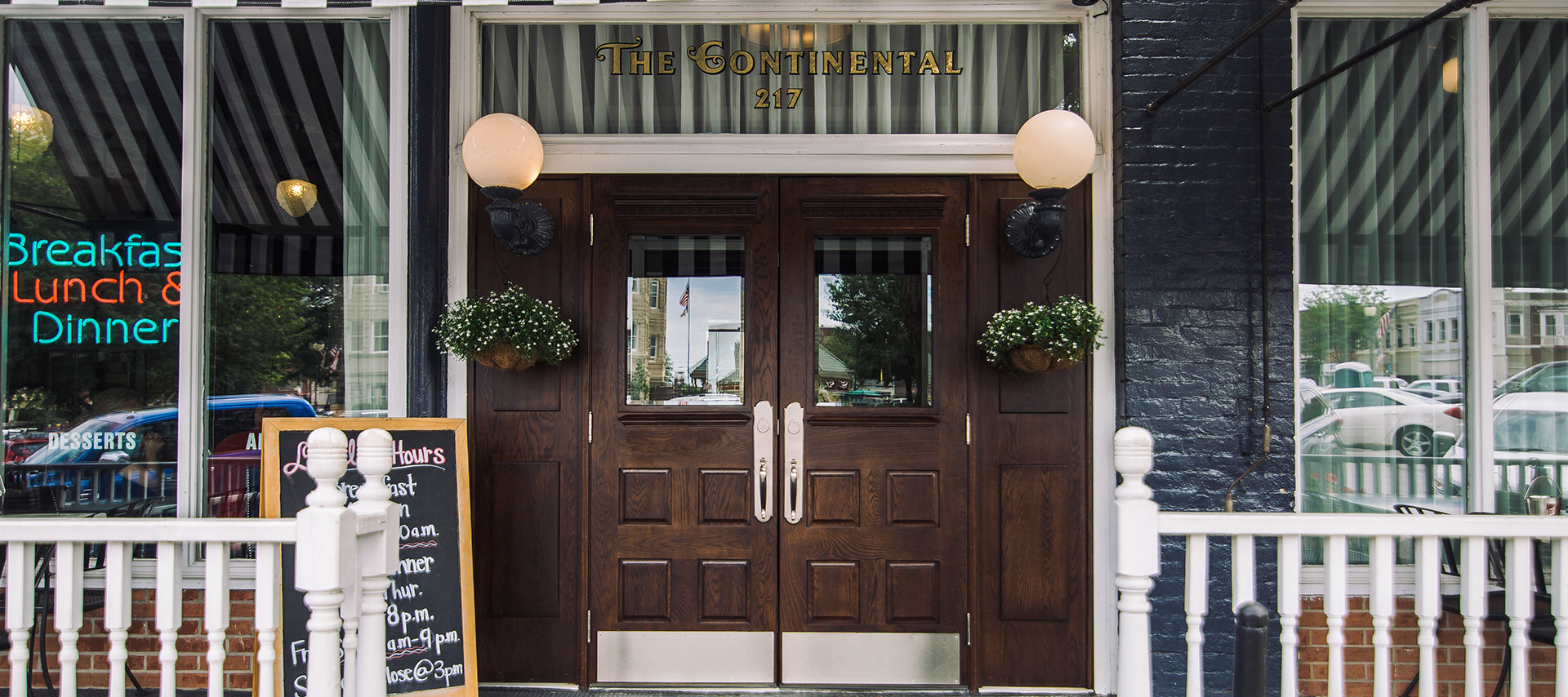
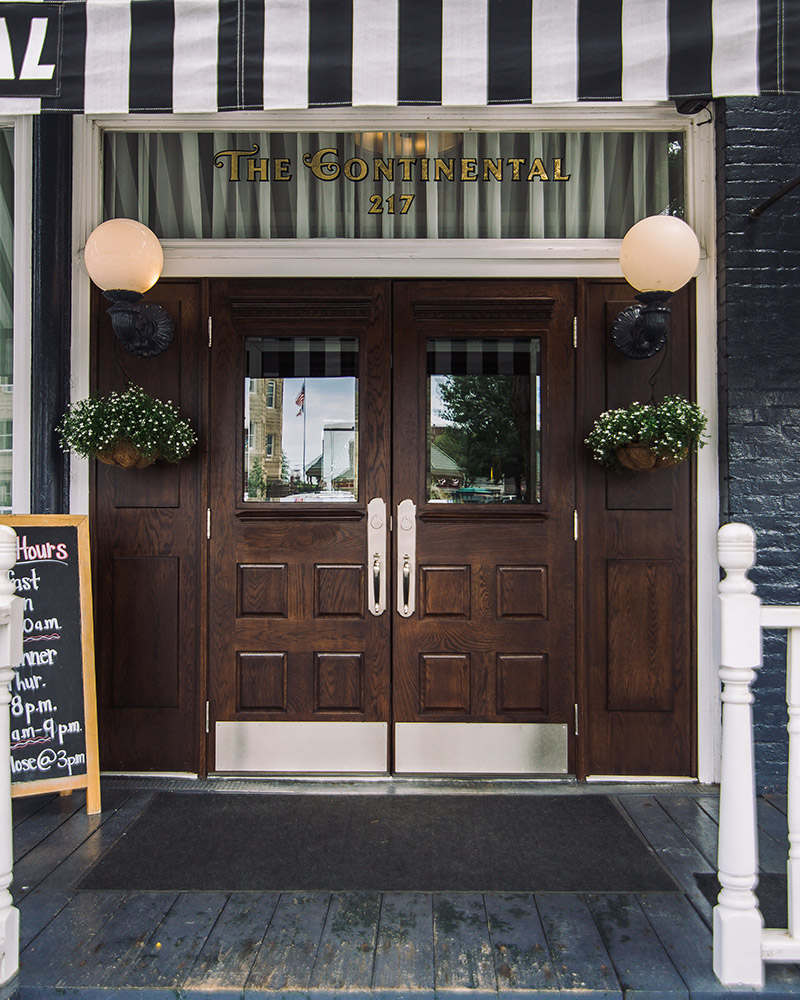
In the heart of Centerville, Iowa, where the rhythm of small-town life and the legacy of frontier hospitality intersect, stands The Continental Hotel, a building whose walls have witnessed 160 years of local history. From its earliest incarnation as the Jefferson House in 1866 to its resurrection after fire and revival as a social enterprise in the 21st century, this hotel embodies the evolution of community, commerce, and culture in Appanoose County.
The story begins just two decades after Iowa became a state and shortly after Centerville was firmly established as a county seat. In 1866, on the bustling east side of the Centerville Courthouse Square, Alexander and Susannah McKee constructed a lodging known initially as the Jefferson House. This establishment was one of the earliest brick commercial buildings in the area and helped anchor the commercial growth along the square.
The Jefferson House quickly became a focal point for travelers. By the late 19th century, Centerville newspapers regularly referenced the hotel as a social and commercial hub, a place where meals were taken, meetings convened, and visitors first encountered the town.
In 1871, after a remodel that cost $5,000 at the time (about $133,000 in 2025 dollars) the hotel was rechristened The Continental, a title meant to evoke cosmopolitan comfort and modernity.
The hotel stood prominently on the Centerville square at a time when dirt roads, wooden storefronts, and horse-drawn wagons defined daily life. According to a later Centerville Iowegian and Citizen retrospective, the hotel “was a showplace for its time” and quickly became woven into the civic and social fabric of the town.
A defining moment in the hotel’s history occurred on February 9, 1893, when a furnace in the basement sparked a devastating blaze that consumed the building. At the time of the fire, the hotel was filled with guests.
According to the hotel’s historic narrative, Susannah McKee heroically assisted in evacuations but became trapped by the flames and, in desperation, jumped from a third-floor window. She was severely injured and later died from her wounds. The tragedy reverberated through town, touching the lives of families and prompting memorial efforts by local citizens.
Despite the loss, the community rallied. Citizens immediately supported the reconstruction of the hotel, preserving its role as a landmark on the square. By the end of 1893, The Continental Hotel rose from the ashes, completed in a design that mirrored the grandeur of the original structure with brick walls, tin ceilings, mosaic tile floors, and imposing street presence.
The Continental rose again later in 1893, rebuilt larger and more refined, reclaiming its role as one of southern Iowa’s premier hotels. By the turn of the twentieth century, it had become a bustling hub for salesmen, political figures, community organizations, and travelers passing through Appanoose County.
By the early 1900s, the hotel was so busy that, according to longtime staff recollections, “salesmen would have their rooms booked weeks in advance.” Meetings of the Lions Club, Rotary, Business and Professional Women (BPW), and Toastmasters filled its rooms, and the Continental regularly catered weddings and banquets, reinforcing its place as a social center as much as a lodging house
Once rebuilt, the hotel continued to serve as Centerville’s premier lodging and meeting place. Its accommodations and dining room hosted a parade of notable figures over the decades.
Stories drawn from newspaper reports, local reminiscences, and historical compilations, paint a rich portrait of The Continental as a community crossroads where national currents met local life.
Into the 20th century, The Continental remained a fixture on the square. Local newspapers from the era reflect its role as a meeting place for civic organizations, social events, and community dinners—evidence of how firmly it was embedded in Centerville’s social fabric.
Yet like many grand downtown hotels, The Continental faced challenges as the 20th century progressed. Automobiles, highways, and suburban motels drew travelers away from town squares.
By the 1970s, the Continental had become something of a living time capsule. A 1977 Centerville Iowegian and Citizen article described the hotel as having “seen the coming of the automobile and the end of the horse-drawn wagon,” surviving two major wars and 27 presidential elections. Though age showed in peeling paint and worn carpets, the paper noted that the hotel still retained “an air of distinction”
The article contrasts the Continental’s past vibrancy with its quieter present. Once staffed by multiple clerks, bellhops, cooks, waitresses, and maids, the hotel by then operated with only a handful of employees. Storefronts carved into the ground floor helped keep the building financially viable, even as fewer overnight guests passed through its doors.
Even as vacancy signs became common and its dining room and barber shop closed, the Continental remained a fixture of downtown Centerville. One permanent resident summed it up with dry affection: the hotel “isn’t any spring chicken.” Yet the structure endured, never fully abandoned, waiting for another chapter.
By the late 20th century, The Continental’s future was uncertain. Aging infrastructure and shifting economies posed a threat to its survival. Enter Morgan E. Cline, an advertising executive with local roots who purchased the hotel in 1996. Cline embarked on a meticulous restoration project, honoring the historic architecture while adapting the space for modern use. Initially, part of the hotel served as senior living units, blending heritage preservation with community service.
The project focused heavily on the upper floors, restoring windows, modernizing utilities, and maintaining the historic layout wherever possible. The vision was both practical and civic-minded: to allow seniors to live independently while remaining connected to the life of the square.
In July 1997, the community gathered once again at The Continental’s doors. The Ad-Express Daily Iowegian documented the moment:
“Centerville Mayor Dick Baze cuts the ribbon for the new Continental Hotel which has been renovated into 24 apartments for the well elderly.”
Once again, the building proved its adaptability, continuing its long tradition of hospitality in a new form.
Under Cline’s vision, and now under the stewardship of the Morgan E. Cline Foundation, The Continental operates not just as a boutique hotel but as a social enterprise that supports cultural programs, historic preservation, and economic development in Appanoose County. Since its inception, the Morgan E. Cline Foundation has invested of $2 million in the restoration and preservation of local historic properties, including The Continental Hotel, and over $1.6 million in grants to nonprofit organizations in Appanoose County.
Today, guests can experience historic rooms alongside modern amenities, dine under restored tin ceilings at its on-site restaurant Lucile’s, and sense echoes of the past in every corridor.
From its birth as the Jefferson House in 1866 to its fiery rebirth and 21st-century renaissance, The Continental Hotel embodies the resilience and continuity of Centerville itself. Its bricks and mortar are more than architecture—they are a repository of human stories, civic life, and shared memory.
Today, 160 years later, The Continental stands not as a relic, but as a living archive, a reminder that historic buildings survive not by resisting change, but by welcoming it, thoughtfully and with respect for what came before.